| Sound absorbing membrane material |
Flameproof Products |
BATYLINE Aw |
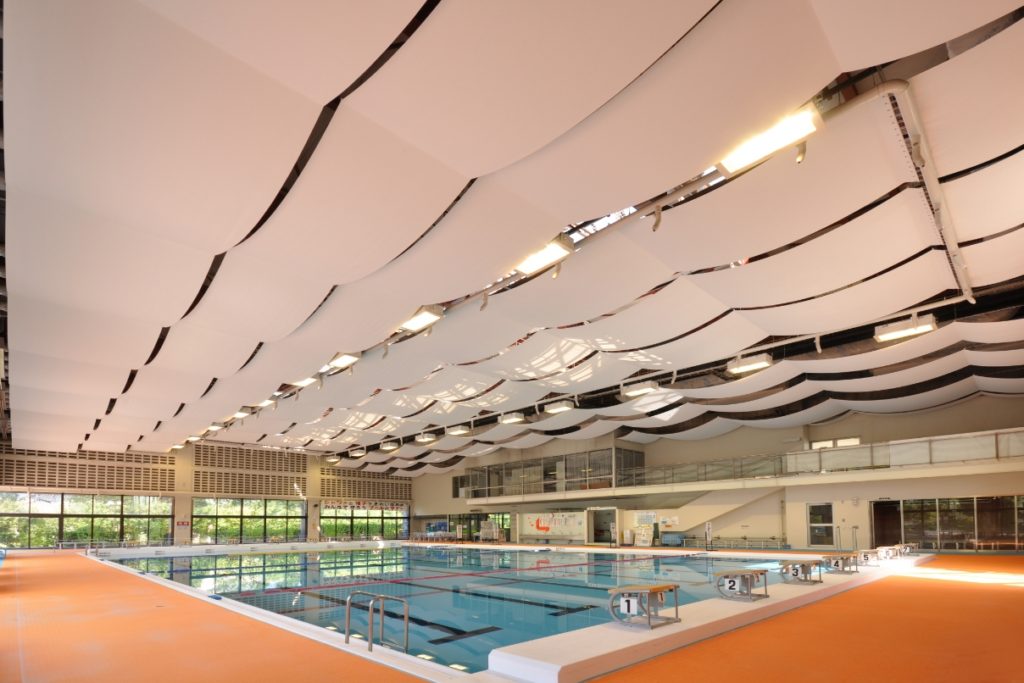
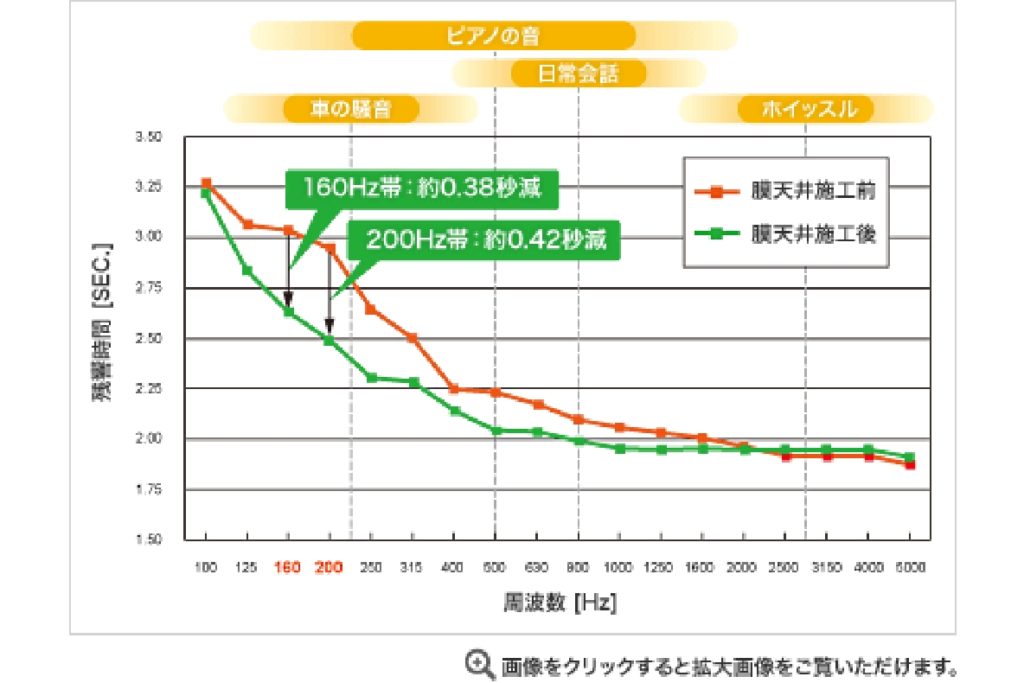
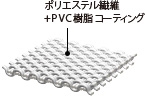 Membrane material that is flexible, has high sound absorption performance, and is easy to install. Membrane material that is flexible, has high sound absorption performance, and is easy to install. |
0.7 JIS K 6404 600 JIS K 6404 2,700 |
White 91/7 Gray 64/2 Beige 53/2 Black 4/1 |
0.68 |
Standard: White/Gray 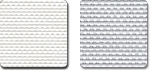 Special order: beige/black Special order: beige/black  |
Flameproof products*3 Certification No. F-26117 (Japan Fire Retardant Association |
| non-inflammable material |
VERVYFINE Aw |
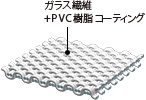 A noncombustible material that is supple and highly sound absorbent. A noncombustible material that is supple and highly sound absorbent. |
0.47 JIS K 6404 490 JIS K 6404 3,000 |
78/18 |
0.69 |
white  |
Noncombustible materials*2 Certification No. NM-4223-1 Building Standard Law Article 2, Item 9 |
| GOTY Aw |
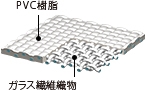 Washi-like noncombustible material specialized for 2-sided fixation type with high sound absorption Washi-like noncombustible material specialized for 2-sided fixation type with high sound absorption |
0.60 JIS R 3420 460 JIS R 3420 2,000 |
64/28 |
0.70 |
white  |
Noncombustible materials*2 Certification No. NM-4355 Building Standard Law Article 2, Item 9 |
| UNITYFINE Aw |
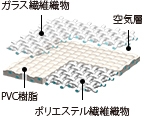 Membrane material with higher sound absorption performance through multi-layering. Membrane material with higher sound absorption performance through multi-layering. |
0.32 JIS K 6404 290 JIS K 6404 2,670 (excluding glass fiber fabrics) |
(Synthesis) White 65/7 Light gray 49/2 Anthracite 8/1 Quartz 65/6 Sandy Beige 48/3 |
0.74 |
White / Light gray / Anthracite / Quartz / Sandy beige 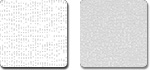 |
Noncombustible materials*2 Certification No. NM-4071 Building Standard Law Article 2, Item 9 |
| Airtight membrane material |
non-inflammable material |
RESTYFINE |
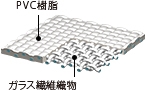 Air-tight membrane material with excellent water resistance and versatility. Air-tight membrane material with excellent water resistance and versatility. |
0.37 JIS K 6404 502 JIS K 6404 2,000 |
91/4 |
0.10 |
white  |
Noncombustible materials*2 Certification No. NM-4200 Building Standard Law Article 2, Item 9 |
| Mesh membrane material |
non-inflammable material |
FT381 |
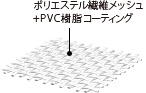 Mesh membrane material with high elasticity and an aperture rate of just under 28%. Mesh membrane material with high elasticity and an aperture rate of just under 28%. |
0.95 JIS K 6404 550 JIS K 6404 2,670 |
28%. (Aperture ratio) |
0.12 |
Ash blonde / gray / beige / beaten metal / metallic 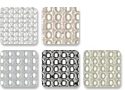 |
Flameproof products*3 Certification No. F-25272 (Japan Fire Retardant Association |